Fireworks season is here. For most people that means bonfires and sparklers. For horse and pet owners, it can mean a long, anxious night.
Horses are flight animals. A sudden bang or flash can send them over a fence or through a stable door, and that's when injuries happen. The good news is that a little planning goes a long way. Here's how to get your yard, your horse and your pets ready.
Before The Fireworks
Find out what's planned: Check your local council's website for public displays near your yard. Note the dates, start times and whether music or an event follows. Ask your neighbours too, as private fireworks are harder to predict.
Talk to the organisers: Let them know there are horses nearby. Some will angle the display away from fields or hold back the loudest fireworks.
Know the rules: Fireworks can't legally be set off between 11pm and 7am. On Bonfire Night the cut-off is midnight. On New Year's Eve, Diwali and Chinese New Year it's 1am. GOV.UK
Make your yard fire-safe.
- Empty the muck heap and clear unused hay, straw and other flammable materials away from the stables.
- Review your fire evacuation plan. Check your extinguishers and alarms are working.
- Hang a headcollar and lead rope by every stable door, ready for a quick exit.
Remove anything that could cause injury.
- Check stables for protruding nails, sharp edges and slippery floors.
- Make sure every fence and gate is secure, on the yard and in the field.
Start desensitising early. A few weeks before, play firework sounds quietly from a phone or speaker. Add colour-changing LED lights to mimic the flashes. Build up the volume and brightness gradually as your horse settles, and go at their pace.
- Tell others on the yard first. They may want to do the same, or move their horse somewhere quieter while you work.
If you're lighting your own bonfire, check it beforehand for hedgehogs. While it is best to build it on the day if you can, always check it carefully before lighting.
On The Night: Horses
Keep to their normal routine: Sudden changes unsettle horses. If you plan to use a distraction, such as a hay net or treat ball, introduce it in the days before.
Make their space safe: Wherever your horse spends the night, stable or field, check it once more. Look for loose baler twine and anything they could get caught on.
Leave the stable lights on: Steady light softens the impact of sudden flashes in the night sky.
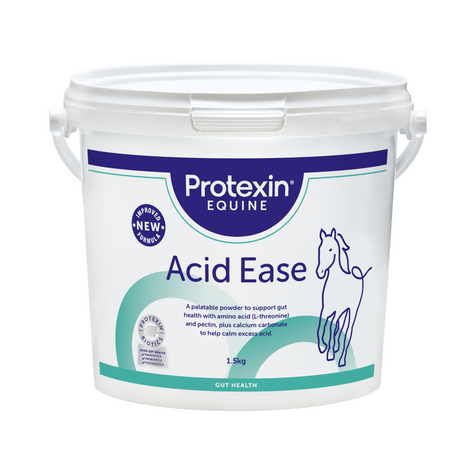
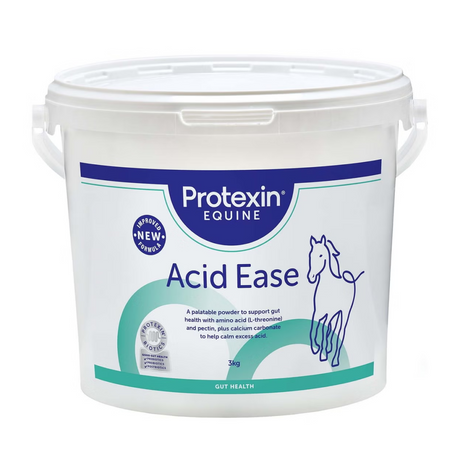
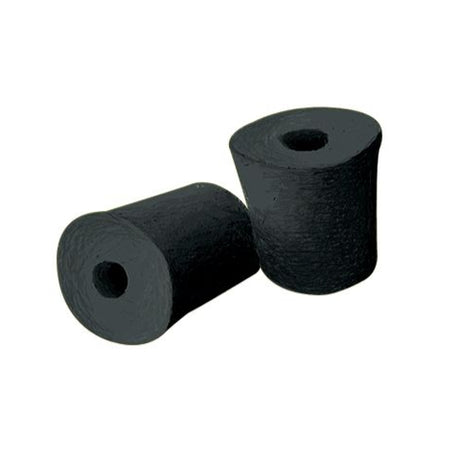
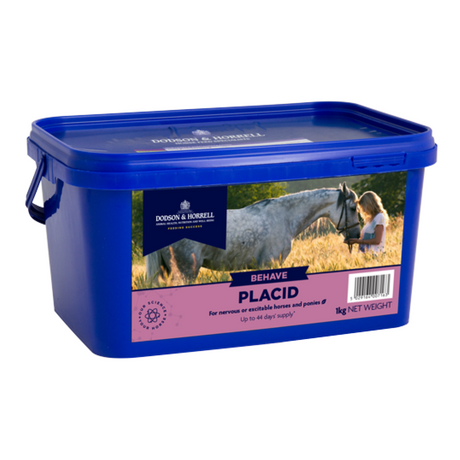
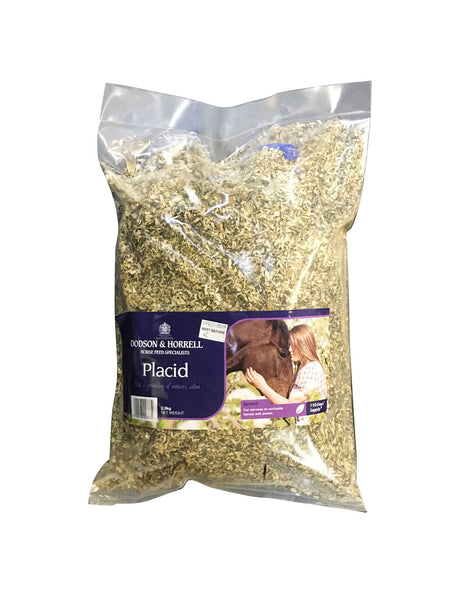
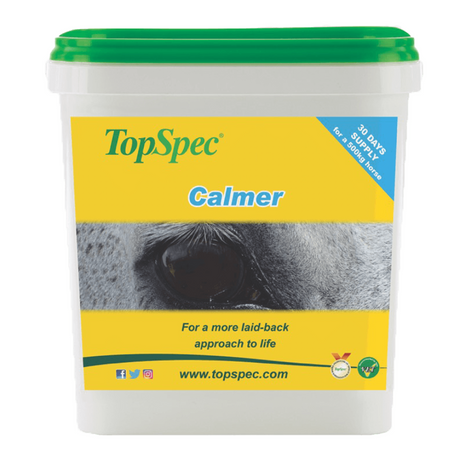
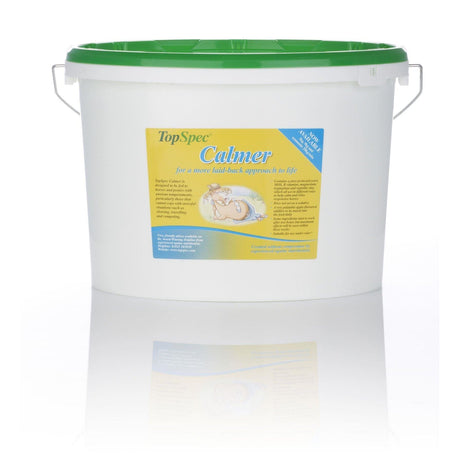
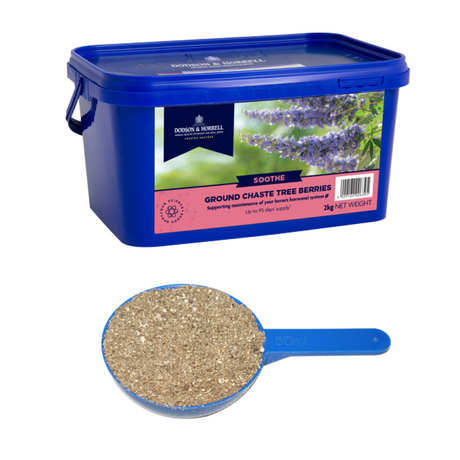
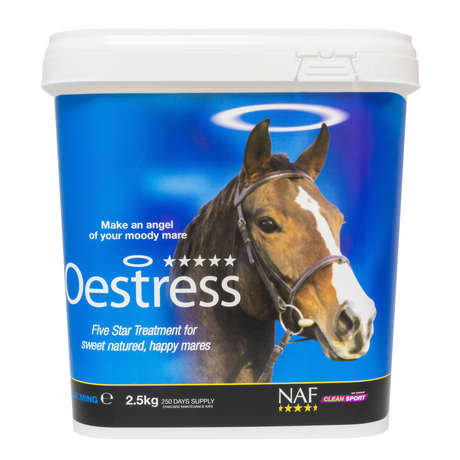
Muffle the noise: Equine earplugs take the edge off the bangs. Try them in advance so your horse is used to wearing them. A calmer can also help a horse that's prone to stress.
Speak to your vet: If your horse gets very distressed, talk to your vet about sedation well before the night. Moving them somewhere quieter for the evening is another option.
Two golden rules
- Stay calm and stay safe: A frightened horse is unpredictable, and an injured owner can't help anyone.
- Don't ride: Even with no displays planned nearby, private fireworks can go off without warning.
On The Night: Household Pets
Exercise them early: Walk dogs and let pets burn off energy in daylight, before the fireworks start. Then keep them safely indoors.
Shut out the noise: Close windows, curtains and blinds. A radio or TV in the background helps mask the bangs.
Give them somewhere to hide: A covered crate, a den under the stairs or a box lined with blankets. Let them choose their spot.
Keep them busy: A long-lasting chew, a stuffed treat toy or a new toy gives them something else to focus on.
Stay with them: If your pet tends to panic, don't leave them home alone.
Think about outdoor pets: Move rabbit and guinea pig hutches into your home, a shed or garage if you can. If not, turn them to face a wall, partly cover them with a blanket and add extra bedding to burrow into.
Check their ID: Dogs and cats must be microchipped by law in England. Make sure your details on the chip database are up to date, and that your dog wears a collar and ID tag in case they bolt.
The Morning After
- Check your horse. Stick to their normal routine, but give them a thorough once-over for cuts, swelling or overreach injuries.
- Walk the field. Check every corner, and the water trough, for spent fireworks and rocket sticks. Debris can injure your horse and contaminate grazing.
- Report any incidents. If fireworks caused an incident involving your horse, log it with the British Horse Society's Record an Incident tool. Fireworks are one of the incident types it collects.
Get Ready Now
A little preparation now means a calmer night for everyone. Stock up on calmers and earplugs in good time, so your horse has a chance to get used to them before the first bang.